Updated October 3, 2026 · DF Property Management
Why the by-law exists
Ontario's Residential Tenancies Act (RTA) lets a landlord end a tenancy when a unit needs repairs or renovations so extensive that it must be vacant. The notice is Form N13. For years, tenant advocates in Toronto argued that some N13s were used to clear out long-term tenants paying below-market rent, with no real intention of letting them return.
Toronto's answer is the Rental Renovation Licence by-law, which came into force on July 31, 2025. It doesn't replace the RTA process. It adds a City licence, proof that vacant possession is genuinely needed, and a compensation regime paid by the landlord.
When you need a licence
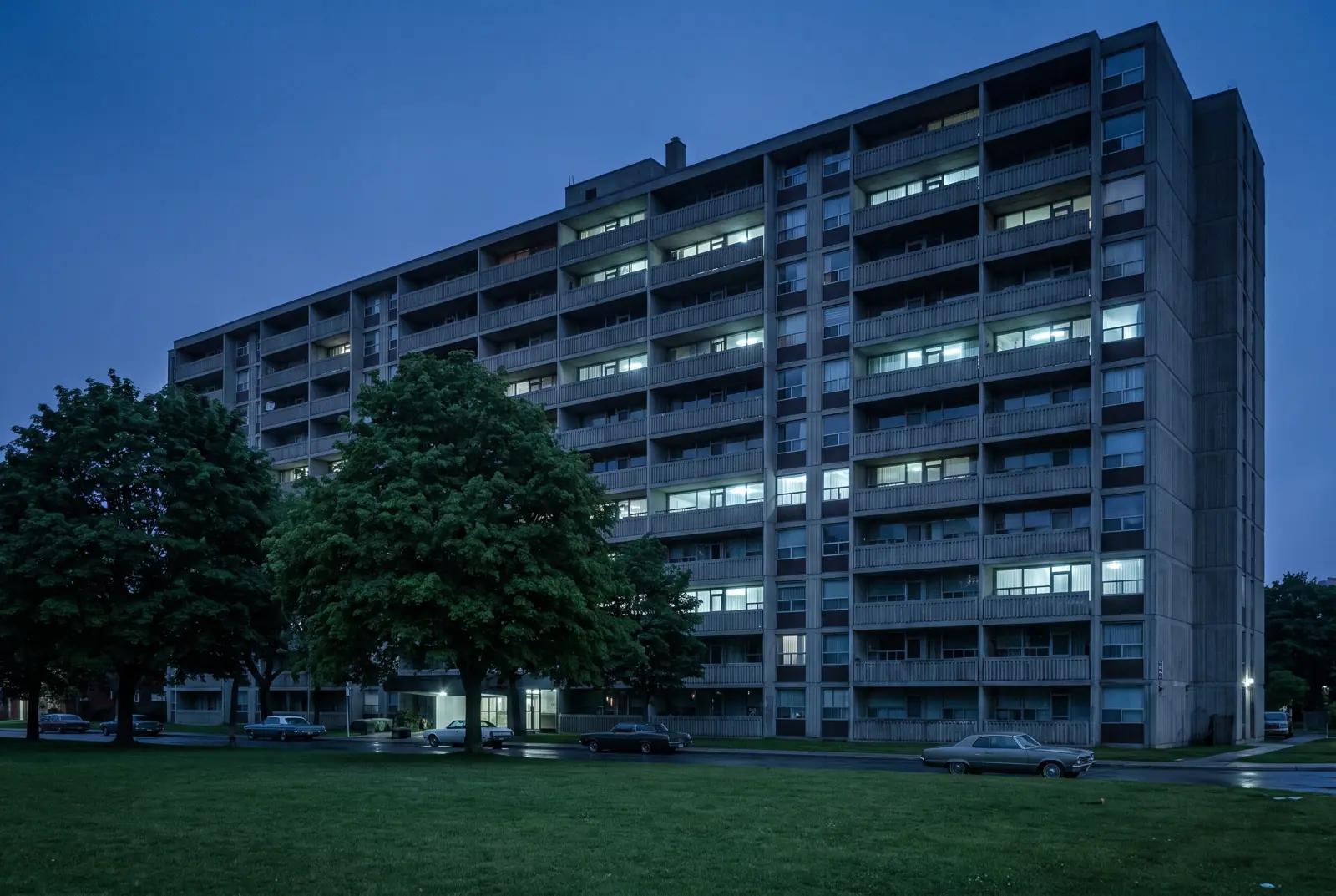
You need a Rental Renovation Licence when you give a tenant an N13 notice to end the tenancy for repairs or renovations that require the unit to be vacant. It applies to rental units across the city, from a basement apartment in Leslieville to a suite in a mid-century tower.
It does not apply to demolitions or conversions, which go through the City's separate rental housing demolition and replacement process. And it does not apply to work that can be done with tenants in place — which, with good planning, covers most kitchen, bathroom and building-system upgrades.
The provincial baseline still applies
- The termination date on an N13 must be at least 120 days after the notice is given, and fall at the end of a rental period or fixed term.
- A tenant who wants to move back has a right of first refusal at the same rent, if they tell the landlord in writing before moving out.
- In buildings with five or more units, the RTA also requires compensation: generally three months' rent (or another acceptable unit) for a tenant who isn't returning, and up to three months' rent for a returning tenant while the work is done.
Toronto's licence conditions sit on top of these rules, not instead of them.
The licence process, step by step
- Get the approvals first — the building permit and any other approvals the work needs. The City will ask for them.
- Serve the N13 — then the clock starts. You must apply for the licence within seven days of issuing the N13.
- Apply and pay — submit the permit, a copy of the N13, a declaration from a qualified person (a licensed architect or professional engineer) confirming vacant possession is required, and the fee: $728 per unit for 2026.
- Post the Tenant Information Notice — the City issues it within two business days of a complete application. Post it on the unit door within five calendar days, keep it up until the City decides, and email the City a photo within 14 days.
- Wait out the notification period — a 14-day period starts once the City receives the photo.
- Submit the tenant's choice and your plan — a declaration signed by you and the tenant saying whether they intend to return, plus a Tenant Accommodation Plan or a Compensation Plan.
- Receive the licence — valid for 12 months. If the work isn't finished, you need a new licence.
What it costs: compensation
The compensation depends on whether the tenant plans to come back.
| Tenant's choice | Landlord must provide |
|---|---|
| Returning | Temporary comparable housing at a similar rent, or monthly rent-gap payments while the tenant finds their own housing — plus a moving allowance |
| Not returning | A lump sum equal to three months of rent-gap payments, plus a moving allowance, paid before the licence is issued |
The rent gap is the difference between the tenant's current rent and the average CMHC market rent for similar units built since 2015. For a long-term tenant in an older building, that can be a large number every month.
The moving allowance is a one-time payment of $1,500 for a studio or one-bedroom, or $2,500 for two bedrooms or more.
Example: a tenant pays $1,450 for a two-bedroom, and the comparable CMHC average is $2,650. The rent gap is $1,200 a month. If the tenant doesn't return, the City's minimum is $3,600 plus the $2,500 moving allowance — and the RTA compensation may apply as well.
Enforcement
The City started with an education-first approach, but inspectors can issue orders and lay charges. Fines under the by-law can reach $100,000, with continuing-offence fines for each day a violation continues, and courts can impose special fines equal to the economic benefit of non-compliance — such as the extra rent gained by re-letting at market.
The City follows up after the work to confirm the tenant has returned, or that arrangements for their return are in place. If the building changes hands mid-renovation, the new owner must notify the City within 14 days to take over the licence.
Before you serve an N13
- Ask whether vacancy is really needed. Phasing, temporary relocation inside the building, or working while the tenant is on holiday can avoid the process entirely.
- Price the rent gap first. Run the CMHC comparison before you decide. It may change the scope of the project.
- Line up the qualified person early. The architect's or engineer's declaration has to stand up to scrutiny.
- Diarize every deadline. Seven days to apply, five days to post, 14 days to send the photo, 120 days for the N13 itself.
- Talk to a paralegal or lawyer. N13 terminations are often disputed at the Landlord and Tenant Board.
Renovating with tenants in place
Most building upgrades never need an N13. Riser replacements, window programs, balcony repairs and in-suite kitchen and bathroom work are done in occupied buildings across Toronto every year. What makes it work is planning: written notice of entry at least 24 hours ahead, realistic daily schedules, dust and noise control, temporary facilities where a bathroom is out of service, and a single contact for tenant questions. Tenants can apply for a rent abatement if work substantially interferes with their unit, so good communication is cheaper than a hearing. For large capital work, an above-guideline increase application may also be an option, subject to the Board's rules.
How we help
Our renovations team scopes work to keep tenants in place wherever possible, and our compliance service tracks the licence deadlines, postings and payments when vacancy is unavoidable. For owners of older buildings, multi-unit management includes capital planning that schedules big work at turnover, when a unit is already empty.
General information, not legal advice. Renoviction rules involve both the Residential Tenancies Act and Toronto's by-law; get advice from a licensed paralegal or lawyer before serving an N13.