Updated October 3, 2026 · DF Property Management
Two different jobs
Owners sometimes ask whether a good super makes a property manager unnecessary, or the reverse. In most apartment buildings, the answer is no. The roles overlap at the edges but solve different problems.
| Superintendent | Property manager | |
|---|---|---|
| Where | On site, often living in the building | Off site, visiting regularly |
| Focus | Daily operations and first response | Income, compliance, budgets, strategy |
| Typical tasks | Cleaning, garbage and recycling, minor repairs, boiler room checks, showing suites, letting in trades | Leasing, rent collection and arrears, LTB filings, contracts, capital planning, reporting to the owner |
| Employment | Employee of the owner (or of the manager) | Contracted firm under a management agreement |
| Authority | Small purchases, emergency first response | Approves work within the owner's limit, signs leases |
What a good superintendent does
- Walks the building daily: lobby, corridors, stairwells, garbage room, laundry, parking garage, roof access.
- Handles cleaning or supervises cleaners, and keeps the posted cleaning schedule honest.
- Manages garbage, recycling and organics — chute rooms, bin rotation, bulk item removal.
- Does minor repairs: faucets, toilets, door closers, light fixtures, caulking, patching.
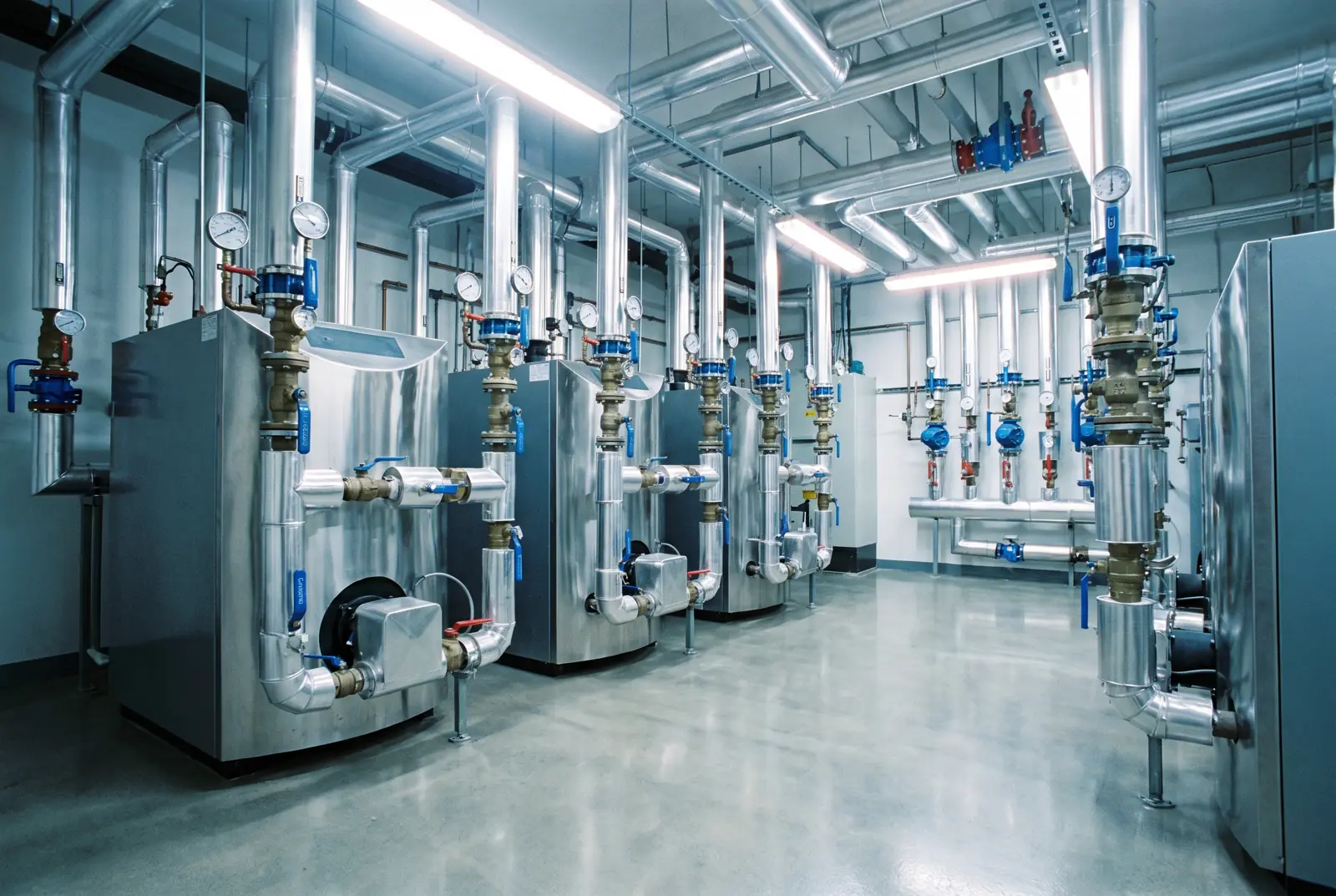
- Checks mechanical rooms and logs what they see; calls the right trade when something is off.
- Performs the daily and weekly Fire Code checks they've been trained on, and records them.
- Lets contractors into suites with proper notice, and confirms the work was done.
- Is the familiar face tenants report problems to — and logs those reports in the service request system.
Licensed work stays with licensed trades. In Ontario, electrical, gas, refrigeration and sprinkler work require certified people, and RentSafeTO expects service logs naming the tradesperson for work on heating, cooling, ventilation, plumbing and electrical systems.
What a property manager does
- Sets rents and leases vacant suites, including screening and lease preparation.
- Collects rent, follows up arrears and handles N4s and Landlord and Tenant Board applications.
- Tracks rent increase dates and serves N1s correctly.
- Negotiates and supervises contracts: elevator, fire protection, waste, pest control, cleaning, snow.
- Keeps the building compliant with the Fire Code, TSSA, municipal by-laws and, in Toronto, RentSafeTO.
- Builds and updates the capital plan and runs major projects.
- Reports to the owner every month: income, expenses, arrears, vacancies, work done.
- Supervises the superintendent.
Live-in superintendents and the RTA
Many Ontario buildings provide the super with a suite. The Residential Tenancies Act, 2006 calls this a superintendent's premises — a unit occupied by someone employed as a janitor, manager, security guard or superintendent and located in the residential complex. A few rules matter:
- The tenancy is tied to the job. Unless otherwise agreed, the tenancy ends on the day the employment ends.
- One week to move out. The former super must vacate within one week after the tenancy ends, and the landlord can't charge rent for that week.
- “Unless otherwise agreed” matters. If the paperwork suggests the super is an ordinary tenant who also happens to work for you, ending the job may not end the tenancy. Keep the employment contract and the occupancy agreement clearly linked.
- If they don't leave, the Board decides. You still need an order from the Landlord and Tenant Board to remove someone; changing the locks yourself isn't an option.
Employment standards for live-in supers
Under Ontario's Employment Standards Act, a superintendent, janitor or caretaker of a residential building who lives in that building is exempt from several standards, including minimum wage, hours-of-work limits, overtime and public holiday pay. The rest of the Act — vacation, termination notice and pay, leaves — still applies. A free or reduced-rent suite may also be a taxable benefit. Get payroll and tax advice before you set up the arrangement.
Non-resident supers and contracted services
Smaller buildings — a 12-unit walk-up on the Danforth, a pair of six-plexes in Parkdale — often can't justify a full-time live-in super. Common alternatives:
- A part-time super who lives nearby and covers several small buildings.
- Contracted cleaning plus a maintenance technician on a schedule.
- A manager's maintenance team handling work orders, with a 24/7 emergency line.
Each works if the tasks above still get done and logged. The building doesn't care who empties the chute room; the City inspector cares that it happened.
Hiring a superintendent
The right super is practical, reliable and good with people — in that order of difficulty to find. When hiring:
- Test practical skills. Ask candidates to walk the building with you and tell you what they notice.
- Check references properly. Speak to previous property managers, not just colleagues.
- Be clear about hours and availability. A live-in super is not on call 24 hours a day by default; spell out after-hours expectations and how emergencies are covered on days off and vacations.
- Put it in writing. An employment contract, a separate occupancy agreement for the suite, and a written job description.
- Train on day one. Fire safety plan duties, the service request system, entry notice rules and the building's contractor list.
Couples sometimes share the role, with one handling cleaning and the other maintenance. That can work well, but each person's employment terms should be clear.
Oversight: how to know it's working
A super left without structure tends to drift: some tasks get done brilliantly, others quietly disappear. A manager's job is to make the work visible.
- Written duties. A job description and daily, weekly and monthly checklists.
- Logged requests. Every tenant request goes into one system with a timestamp and outcome, whether it came by phone, email or a knock on the super's door.
- Regular walk-throughs. The manager inspects common areas on a schedule and compares notes with the super.
- Spending limits. The super can buy supplies up to a set amount; anything larger goes through the manager.
- Records the inspectors will ask for. Fire Code checks, pest inspections, cleaning logs. If it isn't written down, it didn't happen.
How we work with superintendents
For buildings under our apartment building management, we can work with your existing super or help you recruit one. We set written duties, put every request into a tracked system with photos on every job, and back the super up with licensed trades and a 24/7 line for maintenance and repairs. For smaller properties, see multi-unit property management.
This guide is general information, not legal advice. Employment and tenancy rules for superintendents have nuances; get advice for your specific arrangement.