Apartment building management in Burlington.
Burlington's purpose-built rental stock is mostly 1960s to 1980s mid-rise and high-rise buildings along a few arterial roads and the GO corridor. Demand is steady from commuters, retirees and hospital staff, and turnover tends to be low. Owners usually hold for the long term, so the work is about protecting the building, keeping long-term tenants satisfied and planning major repairs before they become urgent.
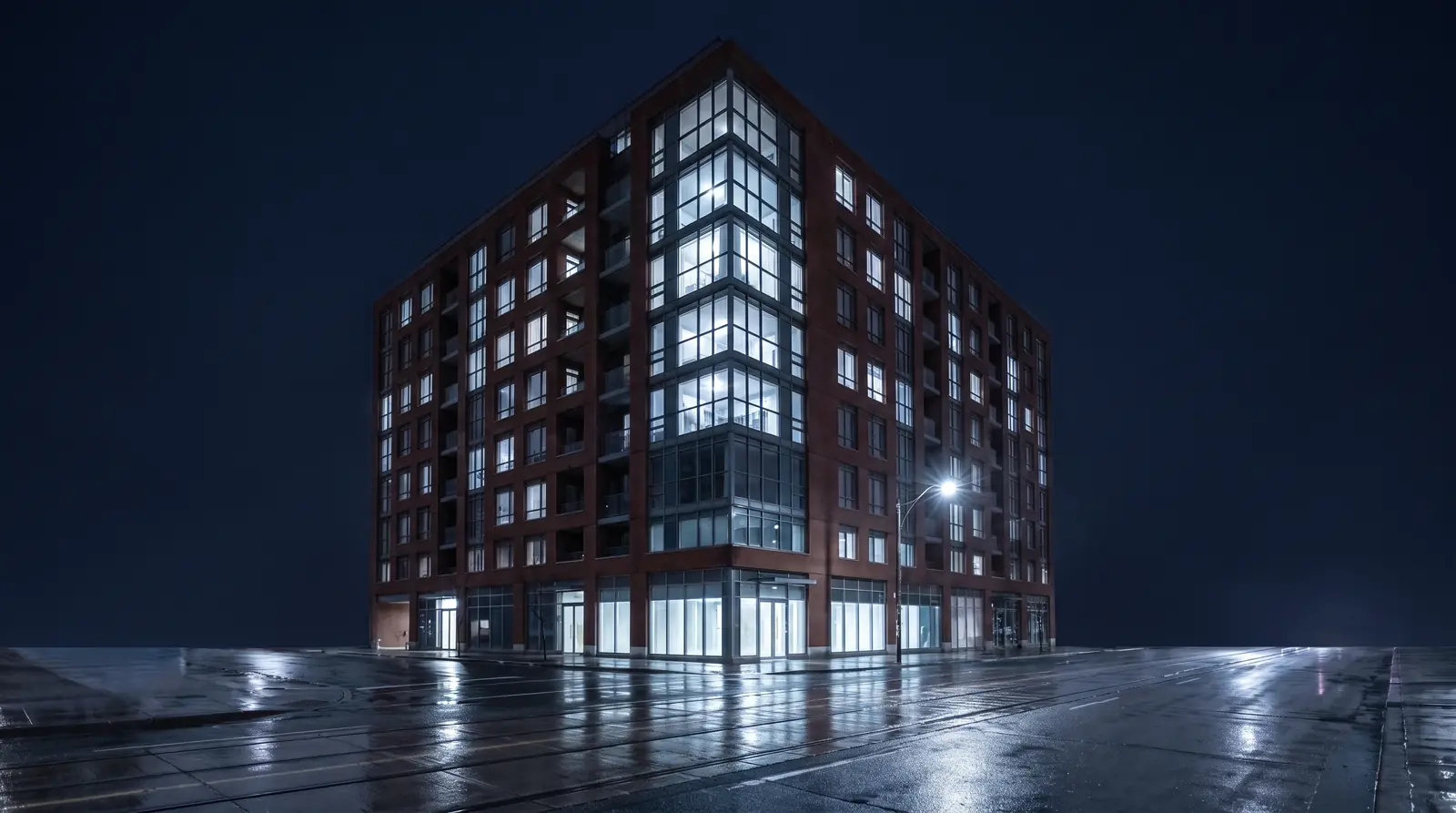
Burlington, specifically.
Apartment building management in Burlington: the local picture
Rental buildings concentrate near downtown along Brant Street and Maple Avenue, around Mapleview Centre and the Fairview Street corridor near Burlington GO, and in Aldershot along Plains Road East near Aldershot GO. East of downtown, older towers sit along New Street and near Appleby Line, close to Appleby GO. All three stations are on the Lakeshore West line. Joseph Brant Hospital, the industrial parks off the QEW and Highway 407, and McMaster University nearby support steady demand. Burlington Transit connects most buildings to the GO stations.
Burlington rental buildings are regulated by the City's property standards by-law, the Ontario Fire Code and the Residential Tenancies Act. The City's Official Plan includes policies that discourage the loss of rental housing through demolition or conversion, so owners planning redevelopment should check the current requirements before committing. Many Burlington buildings date from before November 2018 and remain subject to the 2.1% rent increase guideline for 2026. We schedule fire alarm, sprinkler and emergency lighting inspections and keep records on site for every Burlington building.
What's included
- Suite leasing & turnover. Pricing, marketing, screening and fast make-ready between tenancies.
- Rent roll & collections. Electronic payments, arrears follow-up, N4s and LTB files.
- Building operations. Superintendent oversight, cleaning, waste, snow and security.
- Life-safety systems. Fire alarm, sprinkler, elevator and generator contractors scheduled and logged.
- Capital planning. Roof, boiler, windows, balconies — budgeted before they fail.
- Compliance. RentSafeTO, Fire Code inspections, AGI applications and by-law orders.
Are Burlington apartment buildings rent controlled?
Most older ones are. Units first occupied before November 15, 2018 are generally subject to the annual guideline, 2.1% for 2026. Anything above that needs an above-guideline increase approved by the Landlord and Tenant Board, usually backed by eligible capital spending.
Do you manage buildings without a superintendent?
Many smaller Burlington buildings have no super. For those we arrange cleaning, snow clearing and routine repairs through vetted contractors and run a 24/7 line for urgent tenant calls. Owners see every job with photos in their monthly statement.
Hand us the keys.
Tell us about your property. We'll walk it, price it, and send a plain-language proposal — no obligation.