Apartment building management in Hamilton.
Hamilton has one of Ontario's larger stocks of older purpose-built rental, from pre-war walk-ups downtown to 1960s and 1970s towers on the Mountain and in the east end. Demand is broad, with students, healthcare staff, commuters and long-term residents. The City has also become one of the most active regulators of apartment buildings in the province, so owners now face registration, licensing and documentation rules.
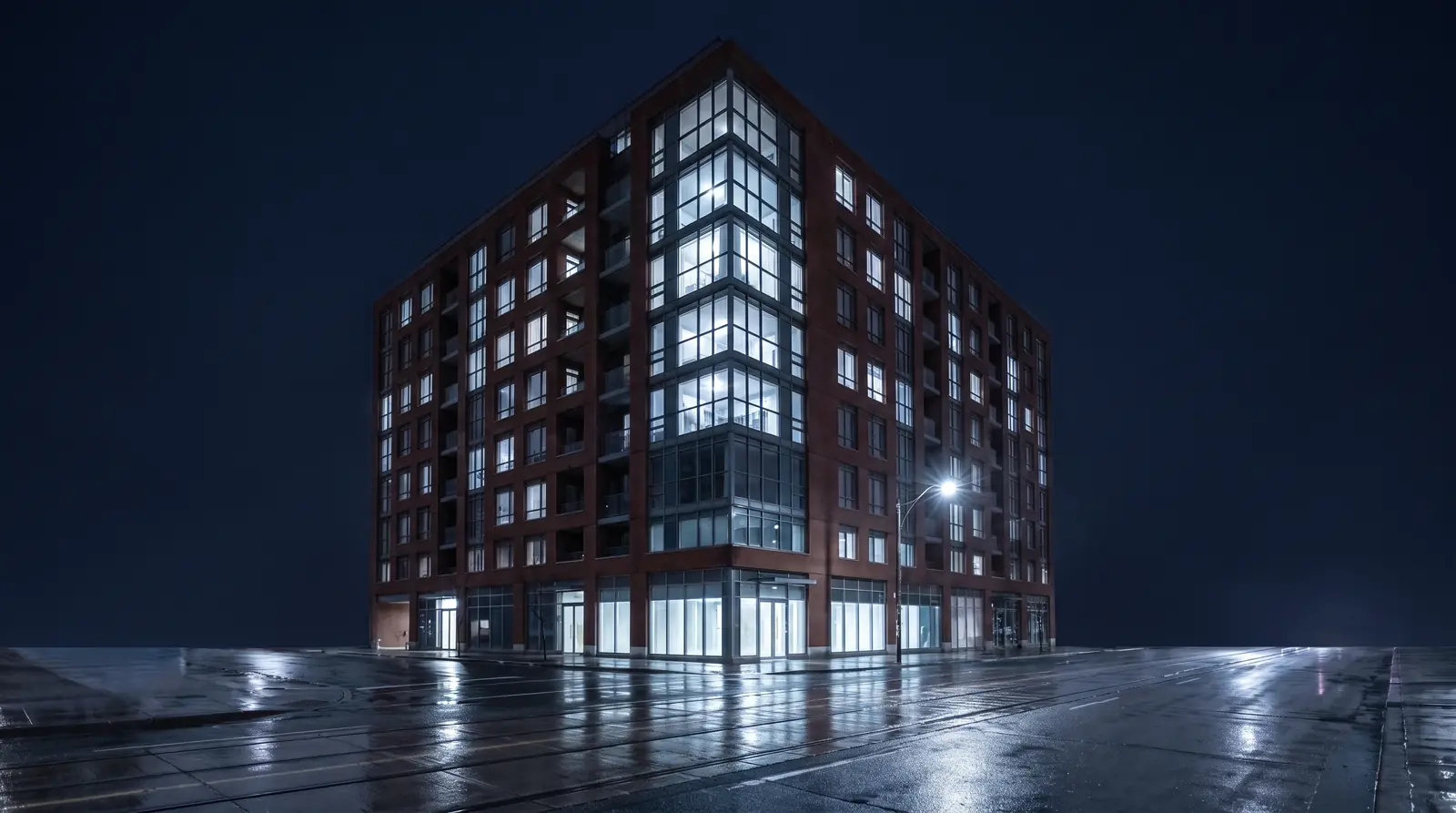
Hamilton, specifically.
Apartment building management in Hamilton: the local picture
Downtown's Durand neighbourhood, around Charlton Avenue, Herkimer Street and Bold Street, has the densest concentration of older rental towers and walk-ups. Corktown and the streets near Hamilton GO Centre hold more. On the Mountain, rental towers sit along Upper James, Upper Wellington and Concession Street, near Mohawk College's Fennell campus. Westdale and Ainslie Wood serve McMaster University. The Hamilton LRT under construction along King Street, from McMaster to Eastgate, and West Harbour GO on the Lakeshore West line will shape demand.
The Safe Apartment Buildings By-law (24-054), in force since January 1, 2026, requires annual registration of buildings with two or more storeys and six or more rental units sharing a common area, along with pest and waste plans and a five-year capital forecast. The Renovation Licence and Relocation By-law (24-055) has required landlords to apply for a licence within seven days of serving an N13 since January 1, 2025. The Rental Housing Protection By-law (24-109) generally requires a permit to demolish or convert buildings with six or more rental units. Smaller buildings in Wards 1, 8 and parts of 14 fall under the Rental Housing Licensing program.
What's included
- Suite leasing & turnover. Pricing, marketing, screening and fast make-ready between tenancies.
- Rent roll & collections. Electronic payments, arrears follow-up, N4s and LTB files.
- Building operations. Superintendent oversight, cleaning, waste, snow and security.
- Life-safety systems. Fire alarm, sprinkler, elevator and generator contractors scheduled and logged.
- Capital planning. Roof, boiler, windows, balconies — budgeted before they fail.
- Compliance. RentSafeTO, Fire Code inspections, AGI applications and by-law orders.
Does Hamilton's Safe Apartment Buildings By-law apply to my building?
It applies to buildings with two or more storeys and six or more rental units sharing at least one common area. Owners must register annually and meet maintenance, pest, waste and capital-planning requirements. We confirm coverage at onboarding.
What happens if I need to renovate a Hamilton suite with a tenant in it?
If vacant possession is needed, you must serve an N13 and apply for a Renovation Licence within seven days. The tenant may return and may be entitled to temporary accommodation or a rent differential payment. We manage that process and the documentation.
Hand us the keys.
Tell us about your property. We'll walk it, price it, and send a plain-language proposal — no obligation.