Apartment building management in Richmond Hill.
Richmond Hill's apartment rentals follow Yonge Street. Older towers from the 1970s and 1980s sit along the corridor between Highway 7 and Elgin Mills, and new rental and condo towers are going up near Richmond Hill Centre in anticipation of the subway extension. Owners balance an ageing building against new competition a few stops away, so suite quality and service standards carry real weight at renewal time.
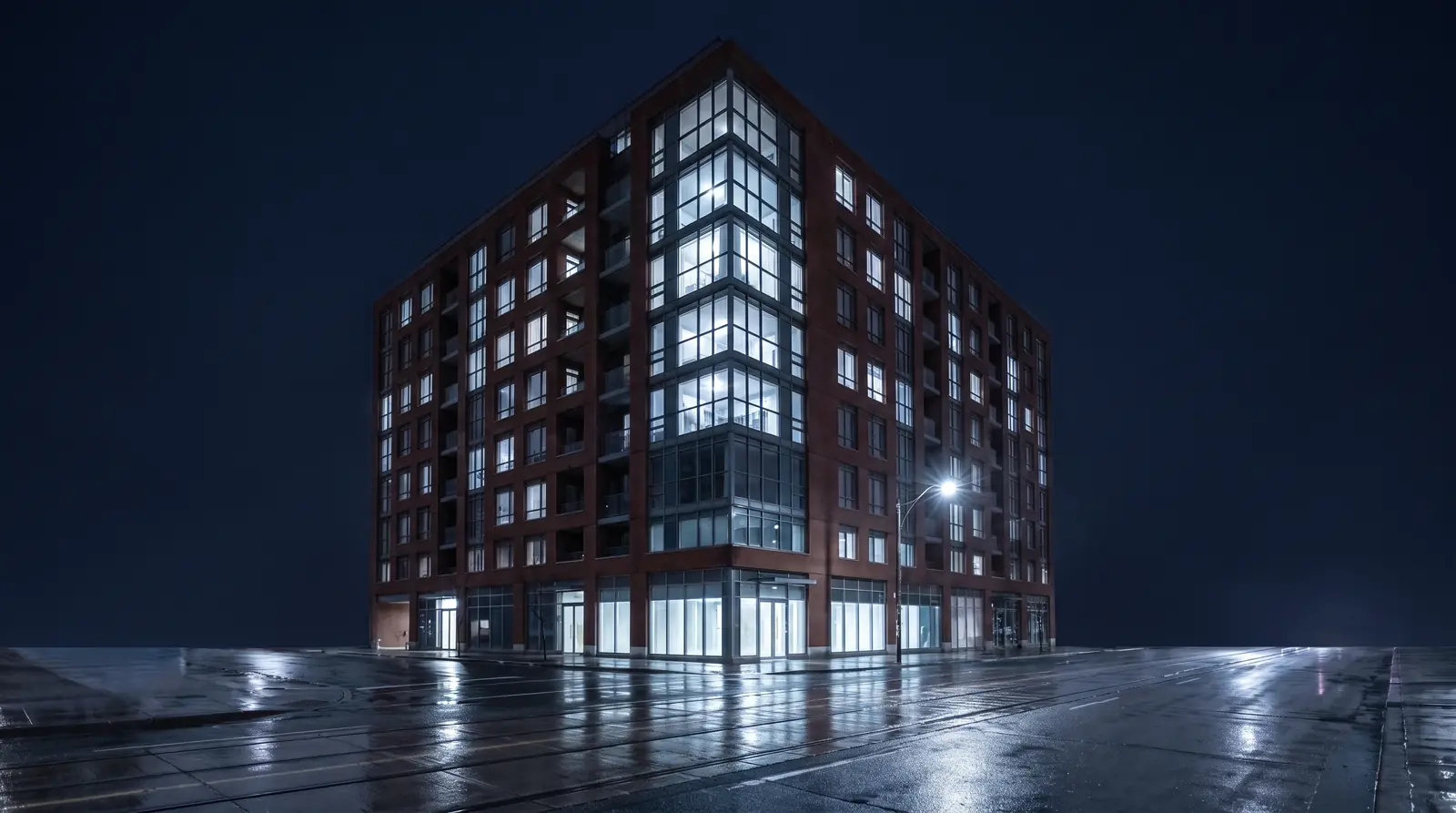
Richmond Hill, specifically.
Apartment building management in Richmond Hill: the local picture
The Yonge Street rental corridor runs from Richmond Hill Centre at Highway 7 north past Major Mackenzie Drive toward the historic village core and Elgin Mills, with Viva Blue buses in the centre-lane rapidway. Older rental buildings also stand off Yonge on side streets near Major Mackenzie and toward Bayview Avenue. The planned Yonge North Subway Extension would bring Line 1 to Richmond Hill Centre, and land around the terminal is being prepared for high-density towers. The Richmond Hill GO line serves Langstaff, Richmond Hill and Gormley stations, and Mackenzie Richmond Hill Hospital is a major local employer.
Apartment buildings in Richmond Hill are governed by the City's property standards by-law, the Ontario Fire Code and the Residential Tenancies Act, and the provincial rules on vital services mean heat, water and power cannot be withheld from tenants. Older towers built before November 2018 remain subject to the annual rent increase guideline, while newer buildings near Highway 7 are generally exempt. Elevators and boilers in these buildings are regulated equipment, so maintenance contractors need the right licences and logs. Our inspection reports give owners a dated record of every building system.
What's included
- Suite leasing & turnover. Pricing, marketing, screening and fast make-ready between tenancies.
- Rent roll & collections. Electronic payments, arrears follow-up, N4s and LTB files.
- Building operations. Superintendent oversight, cleaning, waste, snow and security.
- Life-safety systems. Fire alarm, sprinkler, elevator and generator contractors scheduled and logged.
- Capital planning. Roof, boiler, windows, balconies — budgeted before they fail.
- Compliance. RentSafeTO, Fire Code inspections, AGI applications and by-law orders.
Does the Yonge North Subway Extension affect my building?
Directly, not yet. Indirectly, buildings near future stations may see more interest from tenants and buyers, and construction can affect access and noise. We keep owners informed and plan capital work so the building is ready when service begins.
Can you manage an older Richmond Hill tower with long-term tenants?
That is a common situation. Many older Yonge Street buildings have tenants paying well below market rent. We keep the guideline increases on time, maintain the building properly and turn over vacated suites efficiently, without pressuring sitting tenants.
Hand us the keys.
Tell us about your property. We'll walk it, price it, and send a plain-language proposal — no obligation.