Apartment building management in Mississauga.
Mississauga's apartment stock grew fast in the late 1960s and 1970s, as towers rose along Hurontario, Dundas and Bloor before the city centre took shape. Many of those buildings are still privately owned rentals with long-term tenants. The City regulates them more actively than most GTA suburbs, with a dedicated apartment registration and inspection program and, since September 2026, a licence requirement for renovation evictions.
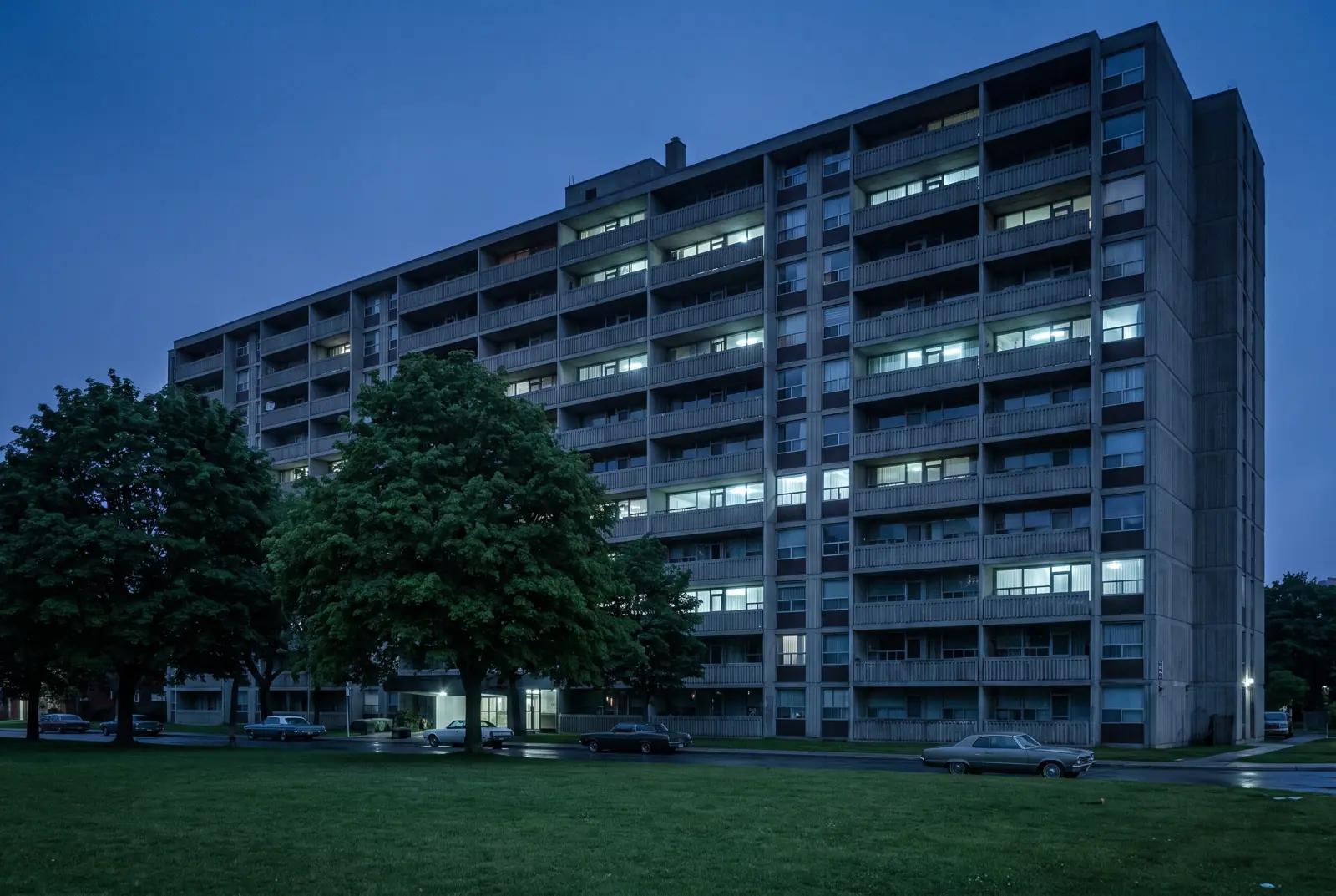
Mississauga, specifically.
Apartment building management in Mississauga: the local picture
The main tower corridors run along Hurontario Street through Cooksville, Dundas Street from Dixie to Erindale, Bloor Street near Dixie and Mississauga Valley Boulevard, with mid-rise rentals in Port Credit close to the lake and the GO station. Around Mississauga City Centre, new purpose-built rentals sit beside condo towers. The Hazel McCallion Line on Hurontario, expected to carry passengers in 2028, and Cooksville GO on the Milton line will matter for leasing along that spine. MiWay serves the rest, and the University of Toronto Mississauga adds demand near Erindale.
Under the Rental Apartment Buildings By-law, run as the Mississauga Apartment Rental Compliance (MARC) pilot, buildings with two or more storeys and six or more units sharing a common area must register each year by July 31 and are inspected and scored by City officers. Owners must keep a tenant service request process, pest and waste plans, vital-service disruption plans, records and a tenant notification board. The Adequate Temperature By-law requires at least 20°C, and air-conditioned suites must not exceed 26°C. The new Rental Repairs and Renovations Licensing By-law, in force since September 1, 2026, requires landlords to apply for a licence within seven days of serving an N13.
What's included
- Suite leasing & turnover. Pricing, marketing, screening and fast make-ready between tenancies.
- Rent roll & collections. Electronic payments, arrears follow-up, N4s and LTB files.
- Building operations. Superintendent oversight, cleaning, waste, snow and security.
- Life-safety systems. Fire alarm, sprinkler, elevator and generator contractors scheduled and logged.
- Capital planning. Roof, boiler, windows, balconies — budgeted before they fail.
- Compliance. RentSafeTO, Fire Code inspections, AGI applications and by-law orders.
Neighbourhoods we cover
Does MARC apply to a small Mississauga walk-up?
It can. The Rental Apartment Buildings By-law covers buildings with two or more storeys and six or more rental units that share a common area, so even a modest walk-up may need to register. We check the building against the criteria at onboarding.
What changed for renovations in Mississauga in 2026?
Since September 1, 2026, a landlord serving an N13 must apply for a Rental Repairs and Renovations Licence within seven days, post notice of the application and give the tenant the City's information package. We prepare and track that file for owners.
Hand us the keys.
Tell us about your property. We'll walk it, price it, and send a plain-language proposal — no obligation.