Condo rental management in Toronto.
In downtown Toronto, a large share of rental housing is a condo suite owned by an individual investor. Tenants are young professionals, graduate students, healthcare workers near the University Avenue hospitals and newcomers on work permits. Competition between listings is real, because one tower can have dozens of near-identical one-bedrooms on the market at once. We price, present and lease suites so yours is the one that gets chosen, then handle the building and the tenancy.
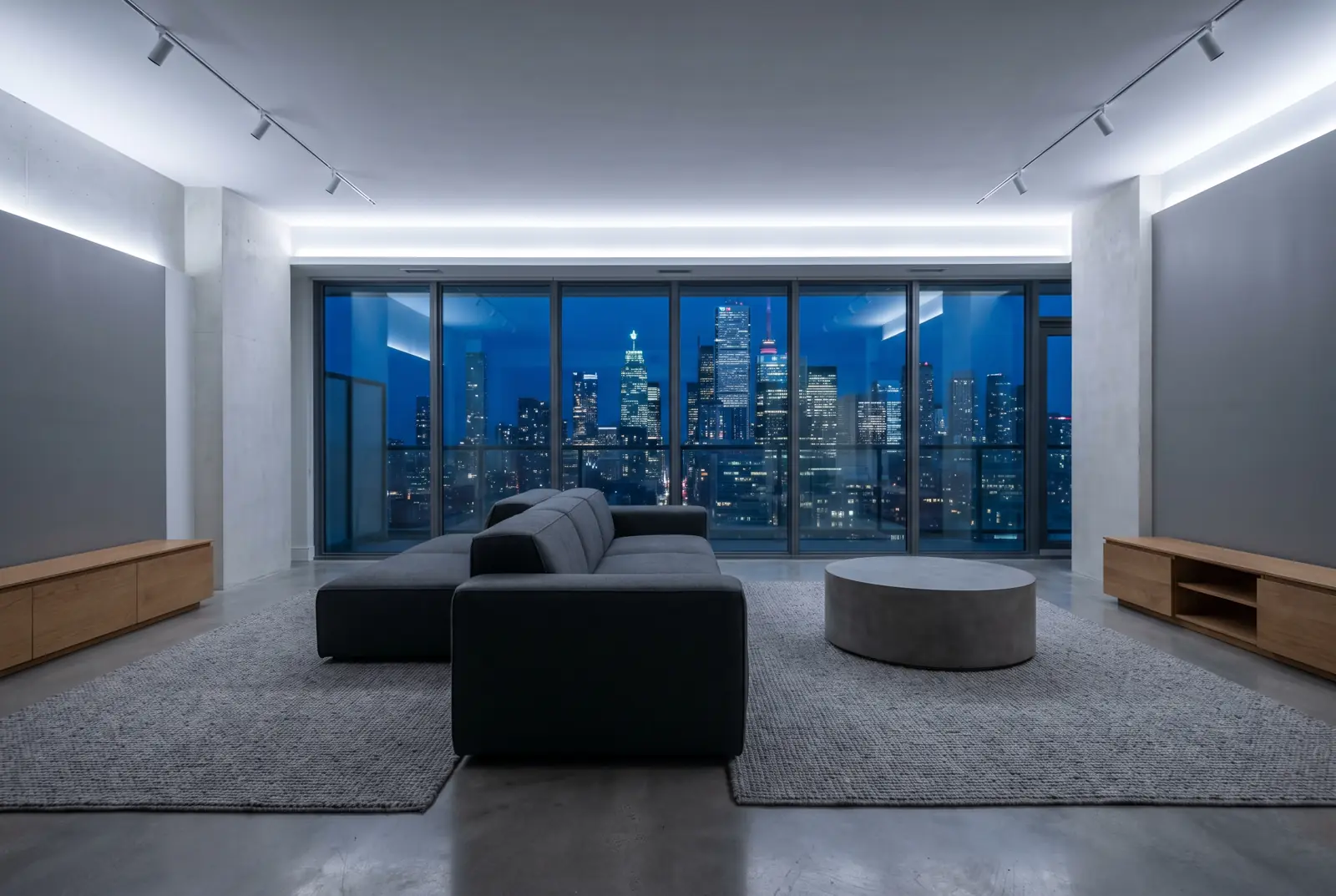
Toronto, specifically.
Condo rental management in Toronto: the local picture
The densest clusters are along the waterfront and the King–Spadina grid: CityPlace and Fort York, Liberty Village, King West and the St. Lawrence area east of Yonge. Midtown has its own node at Yonge and Eglinton, where Line 1 meets Line 5 Eglinton, and older 1970s and 1980s towers sit around Church–Wellesley and Bay Street. Most downtown stock was built after 2000, and a growing slice was first occupied after November 15, 2018.
That date matters. Suites first occupied after it are generally exempt from the 2026 guideline of 2.1%, while older units are not, so renewal pricing can differ between neighbouring towers. Toronto allows short-term rentals only in a host's principal residence, with City registration, so an investor-owned suite cannot legally run as an Airbnb. Many declarations also set minimum lease terms. Downtown buildings book move-in elevators weeks ahead, often against a deposit, and some limit moves to weekdays. We handle the booking, the fobs, the tenant details the corporation must receive under the Condominium Act, and the in-suite repairs that follow.
What's included
- Leasing condo units. Pricing, marketing, showings and screening for suites.
- Building coordination. Move-in elevator bookings, fobs, parking and locker access.
- Rules & registrations. Tenant registration and building rule acknowledgements.
- In-suite repairs. Appliances, plumbing fixtures and finishes inside the unit.
- Rent & reporting. Collection, statements and condo fee tracking.
- New-build handover. Occupancy, PDI deficiencies and first lease for new condos.
Neighbourhoods we cover
Can I rent my downtown Toronto condo on Airbnb?
Generally no, if it is an investment suite. Toronto limits short-term rentals to a host's principal residence and requires City registration, and many condo declarations ban stays under a set minimum term. We lease suites on the Ontario Standard Lease for a year or longer, which is what most downtown buildings expect.
Is my Toronto condo exempt from rent control?
If the suite was first occupied for residential purposes after November 15, 2018, it is generally exempt from the annual guideline, though the 90-day notice and once-a-year rules still apply. Older units follow the guideline, which is 2.1% for 2026. We confirm the first-occupancy date for every unit we take on.
Hand us the keys.
Tell us about your property. We'll walk it, price it, and send a plain-language proposal — no obligation.